The Oak Cabinetry Revival: From Traditional Honey to Modern Ice & Brandy Oak
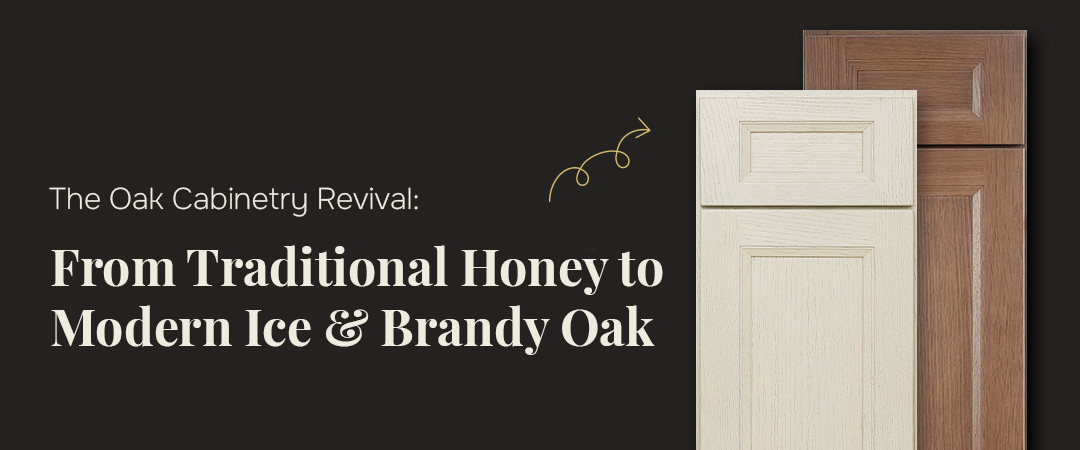
Oak cabinetry is having a major comeback. However, today’s oak looks different from the honey-toned kitchens that defined the 1990s and early 2000s. For designers and general contractors, modern oak kitchen cabinets offer the warmth and natural character of wood while fitting seamlessly into modern interiors.
The shift is less about abandoning oak and more about reimagining it. Today, textured wood grains, updated stains, cooler tones, and refined finishes allow oak to feel intentional rather than dated.
Nextier Cabinets’ oak collection highlights this evolution with three distinct looks:
- Ice Oak
- Caramel Oak
- Brandy Oak
Each offers a different way to bring natural wood character into a project while maintaining a modern design direction.
Why Modern Oak Kitchen Cabinets Are Back
For years, oak was associated with heavily grained doors, orange or golden stains, and traditional kitchen layouts. Modern cabinetry has changed that perception.
Today’s oak designs emphasize the natural qualities of the wood rather than covering them up. Designers are increasingly using visible grain, tactile textures, and nuanced stains to create kitchens that feel:
- Warm
- Sophisticated
- Connected to natural materials
For contractors and designers, this makes oak particularly versatile. Modern oak kitchen cabinets can work well with:
- Contemporary kitchen designs
- Transitional interiors
- Organic and biophilic design schemes
- Two-tone cabinetry
- Minimalist kitchens
- Warm neutral palettes
- Modern farmhouse projects
- High-end rental and multifamily interiors
The key is choosing the right oak tone and pairing it with complementary materials.
From Honey Oak to Modern Oak
Traditional oak cabinetry often relies on warm honey, golden, or orange undertones. Today’s clients are often looking for a more refined interpretation of natural wood. The modern oak revival adds:
- More natural-looking grain patterns
- Textured surfaces
- Cooler wood tones
- Rich brown and caramel undertones
- Less orange-heavy coloration
- Clean, contemporary door profiles
Nextier’s Ice Oak, Caramel Oak, and Brandy Oak demonstrate how dramatically the same general material category can change the feel of a kitchen.
Ice Oak: Light, Cool & Contemporary
Ice Oak is the lightest and coolest option in the collection. This makes it a strong choice for projects where the goal is a bright, modern wood aesthetic.
The lighter tone allows the natural grain to remain visually prominent without overwhelming the space. This makes Ice Oak particularly effective in kitchens that combine natural materials with clean architectural lines.
Best for:
- Contemporary kitchens
- Scandinavian-inspired spaces
- Light, neutral interiors
- Minimalist designs
- Smaller kitchens where visual openness is important
- Two-tone kitchens with white or light cabinetry
Ice Oak can also provide an alternative to the increasingly common white-oak look. Designers can achieve the warmth and texture associated with natural wood while introducing a cooler, more contemporary visual direction.
Design Pairing
For a clean modern palette, try Ice Oak with:
- White countertops
- Soft gray surfaces
- Brushed metal hardware
- Light stone backsplashes
Caramel Oak: Warm Without Feeling Dated
If Ice Oak represents the cooler side of modern oak, Caramel Oak brings warmth back into the equation.
The key difference is that contemporary warm wood doesn’t have to mean the heavily orange or yellow finishes associated with older oak kitchens. Caramel Oak can introduce warmth while maintaining a more curated, modern appearance.
For designers working on transitional or organic-inspired projects, this middle-ground tone can be especially useful.
Best for:
- Transitional kitchens
- Warm contemporary designs
- Modern farmhouse interiors
- Natural-material palettes
- Kitchens featuring beige, cream, or greige tones
- Projects where warmth is a priority
Caramel Oak also works well when a project needs more visual depth than a pale wood finish provides.
Design Pairing
For a layered, welcoming kitchen, pair Caramel Oak with
- Creamy quartz
- Warm white paint
- Aged brass hardware
- Earthy tile
Brandy Oak: Rich, Dramatic & Sophisticated
For projects that call for deeper wood tones, Brandy Oak delivers a richer interpretation of modern oak.
Dark and medium-dark woods are increasingly useful for creating contrast. This is particularly true when designers want cabinetry to become a major architectural element of the kitchen.
Brandy Oak can bring depth to:
- Large kitchens
- Islands
- Beverage centers
- Butler pantries
- Other areas
Best for:
- Elevated contemporary kitchens
- Transitional interiors
- Statement islands
- Two-tone cabinetry
- Large kitchens
- Rich, sophisticated material palettes
Brandy Oak can also be used strategically rather than throughout the entire kitchen. A designer might specify it for the island while using a lighter perimeter finish to create contrast.
Design Pairing
Consider Brandy Oak with:
- Light countertops
- Matte black hardware
- Natural stone
- Warm metallic accents
Ice Oak vs. Caramel Oak vs. Brandy Oak
| Oak Finish | Overall Look | Best Design Direction | Ideal Use |
|---|---|---|---|
| Ice Oak | Light, cool, airy | Contemporary, minimalist, Scandinavian | Perimeter cabinetry or full kitchen |
| Caramel Oak | Warm, balanced, inviting | Transitional, organic, modern farmhouse | Full kitchen or mixed-material designs |
| Brandy Oak | Deep, rich, dramatic | Elevated contemporary, transitional | Islands, accent cabinetry, or full kitchen |
For designers specifying cabinetry across multiple projects, having different oak tones available makes it easier to adapt the material to the architecture and client’s preferences.
How to Specify Modern Oak Cabinetry
When selecting modern oak kitchen cabinets for a project, the finish is only one part of the specification. The surrounding materials can dramatically change how the wood reads.
1. Consider the Natural Light
Light oak finishes such as Ice Oak can help maintain an open feeling in kitchens with limited natural light. Darker finishes like Brandy Oak may be better suited to spaces with:
- Abundant daylight
- Strong ambient lighting
2. Look at the Entire Material Palette
Always evaluate cabinet samples alongside the countertop, flooring, backsplash, paint, and hardware selections. Wood can appear significantly warmer or cooler depending on the surrounding colors.
3. Use Contrast Strategically
Oak doesn’t need to cover every cabinet to make an impact. Consider combining a wood finish with painted cabinetry or using a contrasting oak tone on the island. This approach can create a focal point without making the kitchen feel visually heavy.
4. Let the Grain Do the Work
When specifying textured oak, avoid introducing too many competing patterns. Simple countertops, restrained backsplashes, and streamlined hardware can allow the natural wood grain to become the focal point.
5. Think Beyond the Kitchen
Oak cabinetry can extend into adjacent spaces, including:
- Mudrooms
- Laundry rooms
- Home offices
- Bar areas
- Built-ins
- Butler’s pantries
- Bathroom vanities
Using the same or complementary wood finish throughout a project can create continuity between spaces.
Modern Oak Works for More Than One Design Style
One of the biggest advantages of today’s oak cabinetry is its versatility.
A light oak like Ice Oak can support a minimalist kitchen with clean lines and understated finishes. Caramel Oak can make a transitional kitchen feel warmer and more approachable. Brandy Oak can introduce contrast and sophistication into a high-end contemporary space.
That versatility makes oak particularly valuable for designers and contractors working across different project types.
Rather than thinking of oak as a traditional cabinetry material, consider it a natural-texture foundation for modern design.
The Next Generation of Oak Cabinetry
The oak revival is about taking one of the industry’s most recognizable wood species and giving it a more contemporary interpretation. With Ice Oak, Caramel Oak, and Brandy Oak, Nextier Cabinets gives designers multiple ways to specify the look.
For contractors and designers, that means more flexibility when developing material palettes and responding to clients who want the warmth of wood without looking dated.
Ready to compare oak options for your next project?
FAQs
1. Are modern oak kitchen cabinets back in style?
Yes, oak has returned as a popular design choice, particularly in finishes that emphasize natural grain, texture, and contemporary color tones.
2. What is the difference between Ice Oak, Caramel Oak, and Brandy Oak?
Ice Oak offers a light, cool appearance; Caramel Oak provides a warmer and more balanced tone, and Brandy Oak delivers a deeper, richer look.
3. Are modern oak cabinets good for contemporary kitchens?
Yes, oak’s natural grain and texture can add warmth to contemporary kitchens while preventing an overly sterile appearance.
4. Can you use oak cabinets in two-tone kitchens?
Absolutely. Oak is particularly effective for two-tone designs.
5. What colors pair well with modern oak cabinets?
Modern oak can pair with whites, creams, greiges, greens, blues, natural stone tones, and black accents.